
Pinch Top sacks
The Pinch Top sack: Maximum tightness for fine-powder bulk materials
The defining feature of this sack type is the stepwise offset paper and film layers at the top and bottom. Combined with a special adhesive bond or sealing, this layering enables a tight closure.
Do you already know exactly which specifications your stepped-bottom sack must meet?
Then request a tailored quotation here:
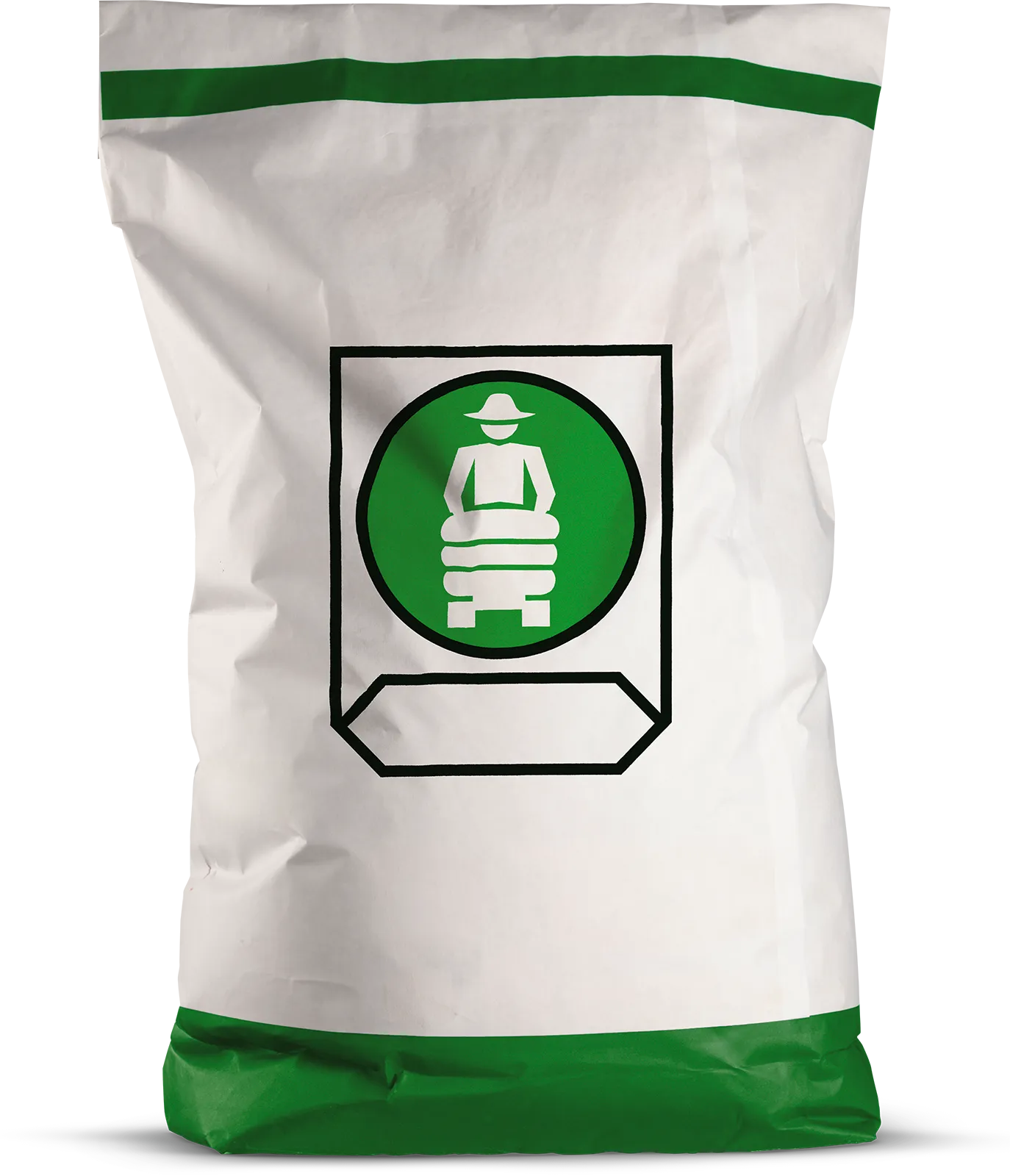
The benefits of the stepped construction
We manufacture these sacks from kraft paper as well as from multi-layer paper-plastic combinations. This protects the filled product from external influences, while keeping the area at the filling station and during transport clean.
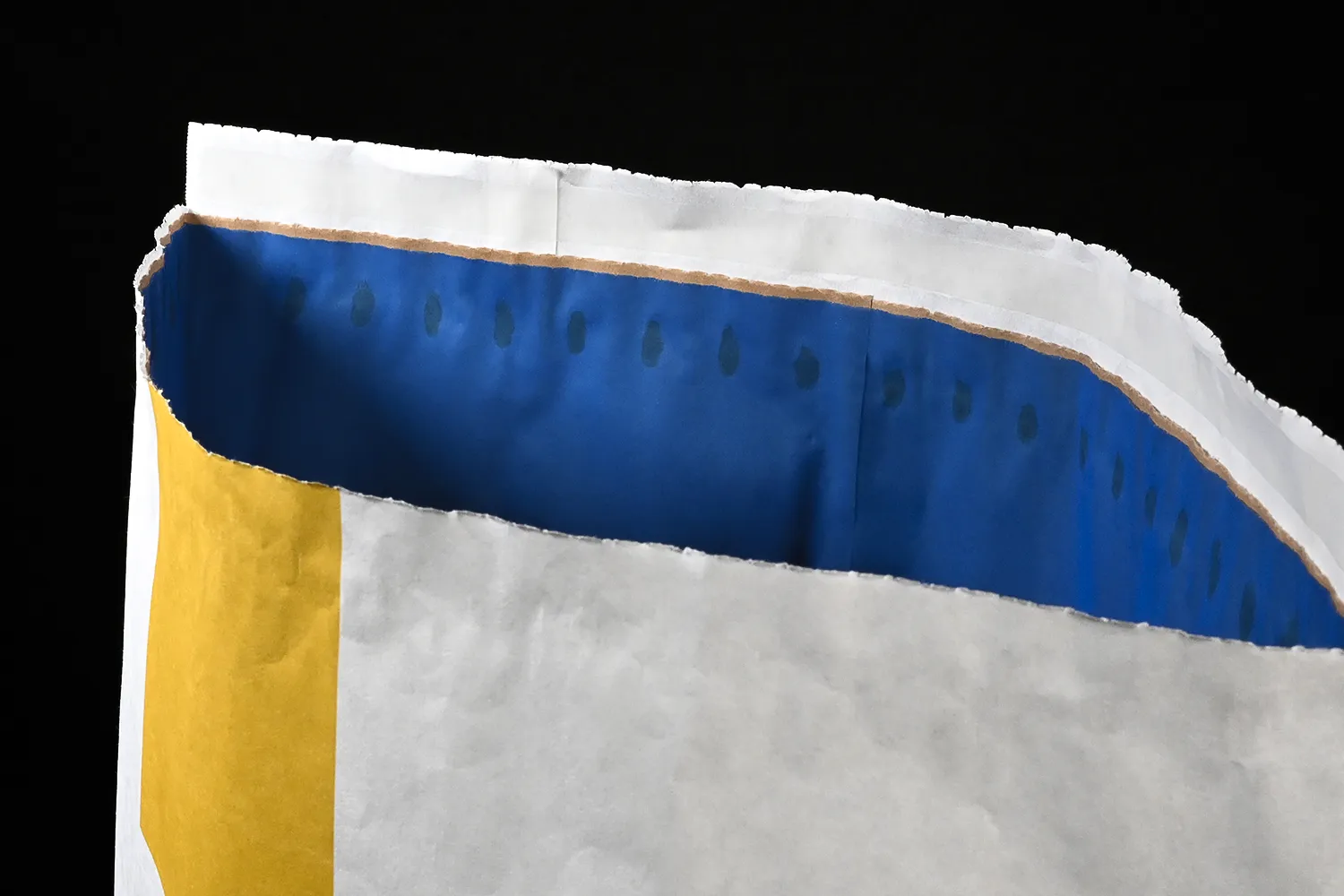
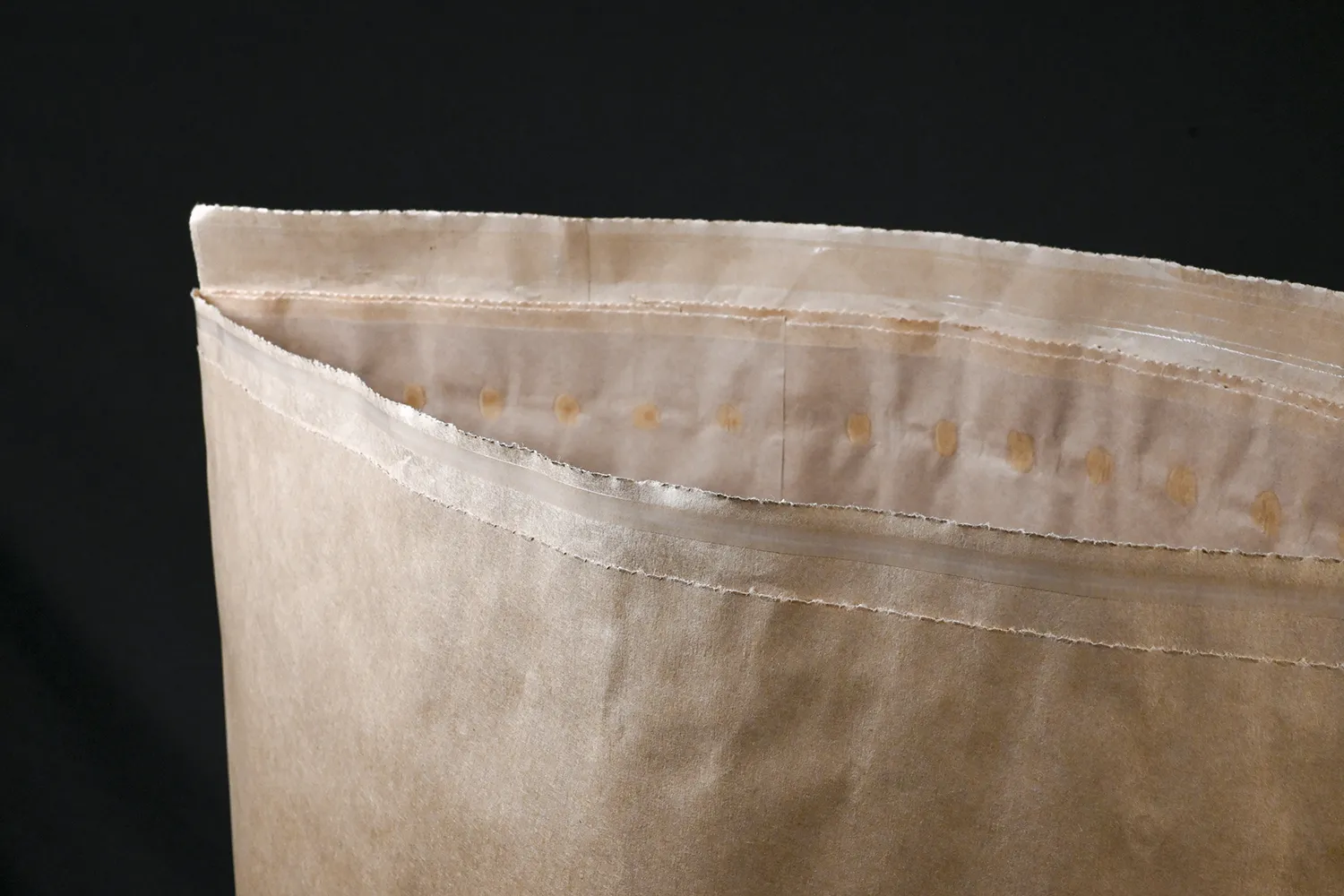
Technical information: Pinch Top sacks
| Formats | open format, unfilled |
|---|---|
| Bag length (1) | 40 – 130 cm |
| Bag width (2) | 30 – 70 cm |
| Base width (3) | 8 – 25 cm |
| Material | |
|---|---|
| Paper | 70 – 120 g/m² |
| Film | 8 – 140 µm |
| Number of Layers | 2 – 5 |

Industries and applications
The Pinch Top sack is primarily used where conventional folds reach their limits. We produce this packaging for the following areas:
Food Industry
Products that must retain their aroma or are susceptible to foreign odours.
Example
Barrier Pinch Top sack for milk powder, spice blends or sensitive food additives
Chemical Industry
High-quality specialty chemicals, toxic powders or moisture-sensitive granulates. Integrating barrier films protects hygroscopic substances from caking.
Example
Stepped-bottom sack with PE interlayer for chemical intermediates.
Building Materials Industry
Very fine construction-chemical products, pigments or specialty mortars that tend to generate dust during filling and transport.
Example
Dust-tight paper sack for colour pigments.
Feed industry
Vitamin supplements and mineral feed that must be protected from weathering to maintain quality throughout the entire delivery route.
Application example
FAQ: These are the questions customers frequently ask us about the stepped-bottom sack

Talk to us about your packaging requirements
The right industrial packaging safeguards your filling processes and protects your product. Since every bulk material and every plant configuration comes with its own technical conditions, it is best to clarify the details directly with each other.
Tell us your parameters. We will check feasibility, recommend the right material combination for your barrier requirements, and discuss the next steps for sampling.
