
Cross-Bottom Sacks
Reliable industrial packaging from Feldmann Verpackungen
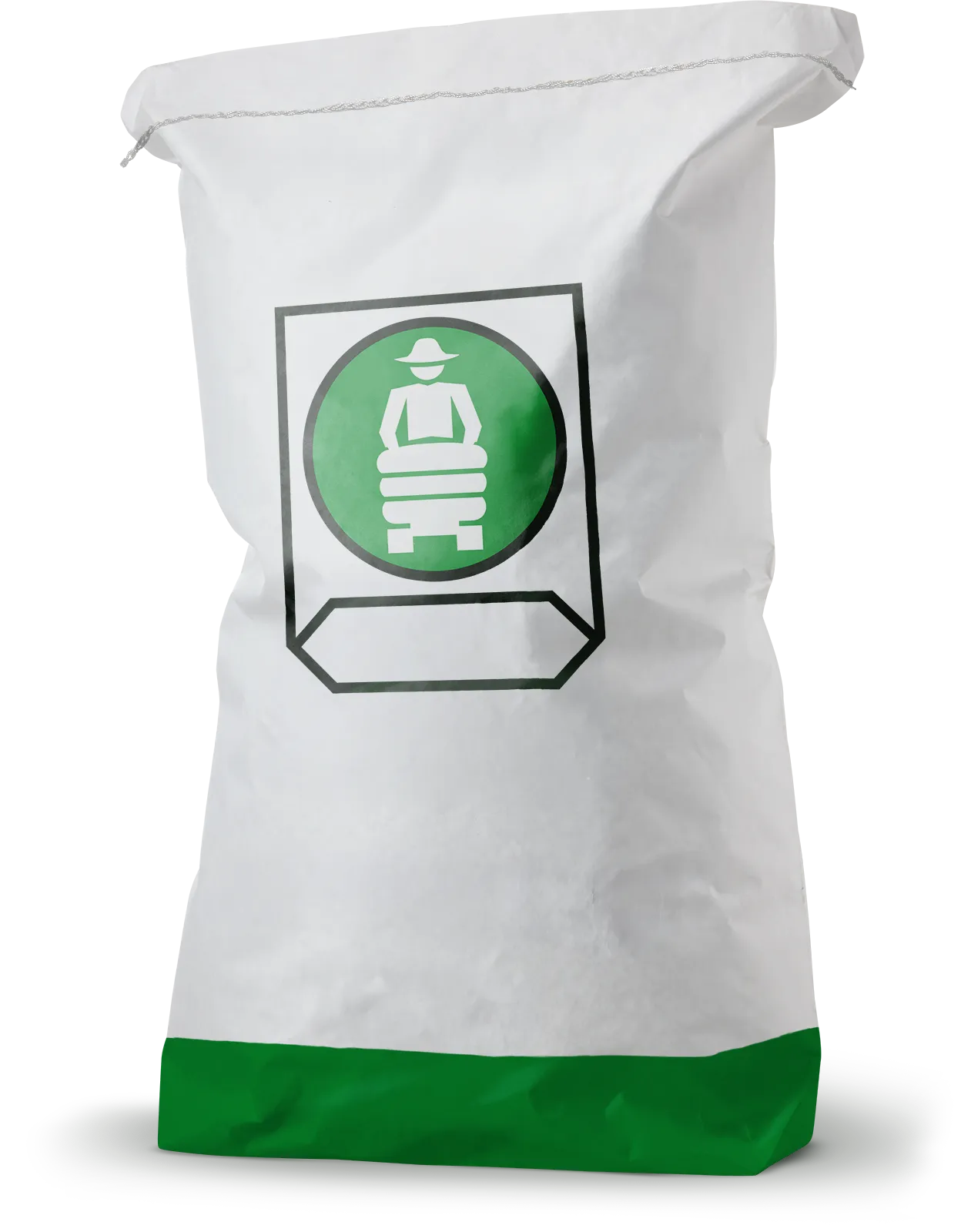
For safe storage and efficient transport of bulk materials, the cross-bottom sack is the proven standard in European industry. Its specific base design gives it a cuboid shape after filling.
This ensures:
Our strengths


Technical information: cross-bottom sacks
| Formats | open format, unfilled |
|---|---|
| Bag length (1) | 40 – 130 cm |
| Bag width (2) | 30 – 70 cm |
| Base width (3) | 8 – 25 cm |
| Options | |
|---|---|
| Types of fastenings | Tear-open strip Tab fastening |
| Material | |
|---|---|
| Paper | 70 – 120 g/m² |
| Film | 8 – 140 µm |
| Number of Layers | 2 – 5 |

Industry-specific
applications
The design of the cross-bottom sack makes it highly versatile.
We primarily supply the following core industries with perfectly matched solutions:
Food Industry
Hygiene, purity and food-grade compliance are top priorities. We manufacture high-spec food sacks that preserve aroma and strictly prevent contamination.
Chemical Industry
Granulates, powders and specialty chemicals require maximum product safety. Our multi-layer paper-plastic combinations prevent fine dust from escaping and protect hygroscopic substances from humidity.
Building Materials Industry
Cement, mortar and construction chemicals must be filled at high speeds and withstand harsh transport conditions. This is where robust versions are used in particular—standardly designed as a 25 kg cross-bottom sack.
Feed industry
Pet food and feed additives require tear-resistant packaging that also provides protection against weathering during longer storage.
FAQ: Frequently asked customer questions about the cross-bottom sack

Talk to us about your packaging requirements
The right industrial packaging safeguards your filling processes and protects your product. Since every bulk material and every plant configuration comes with its own technical conditions, it is best to clarify the details directly with each other.
Tell us your parameters. We will check feasibility, recommend the right material combination for your barrier requirements, and discuss the next steps for sampling.
